Bezienswaardigheid · Co. Galway
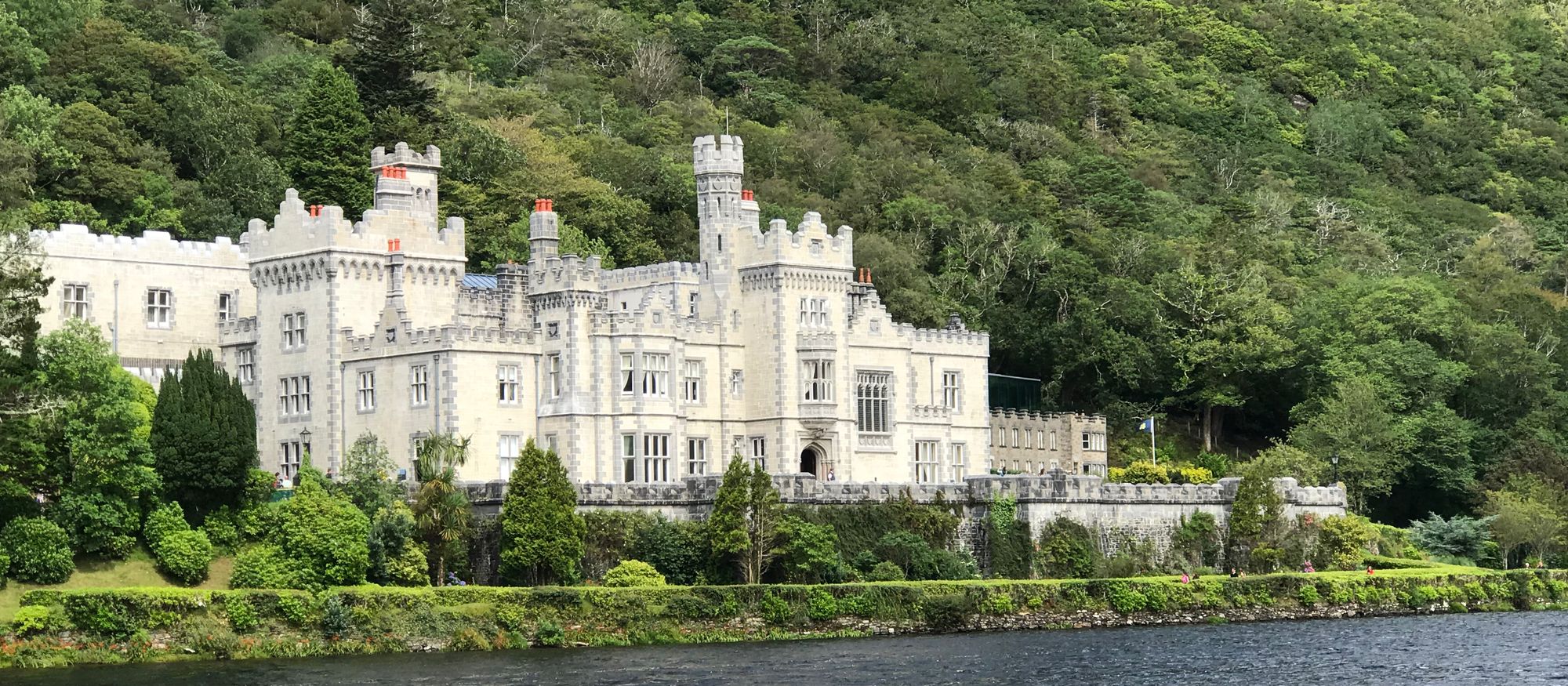
Kylemore Abbey
Kylemore Abbey in Connemara is a working Benedictine monastery and former castle on the N59. It offers ticketed gardens and castle tours, free shore views, and quiet church access near Letterfrack.
Dorp · Co. Galway
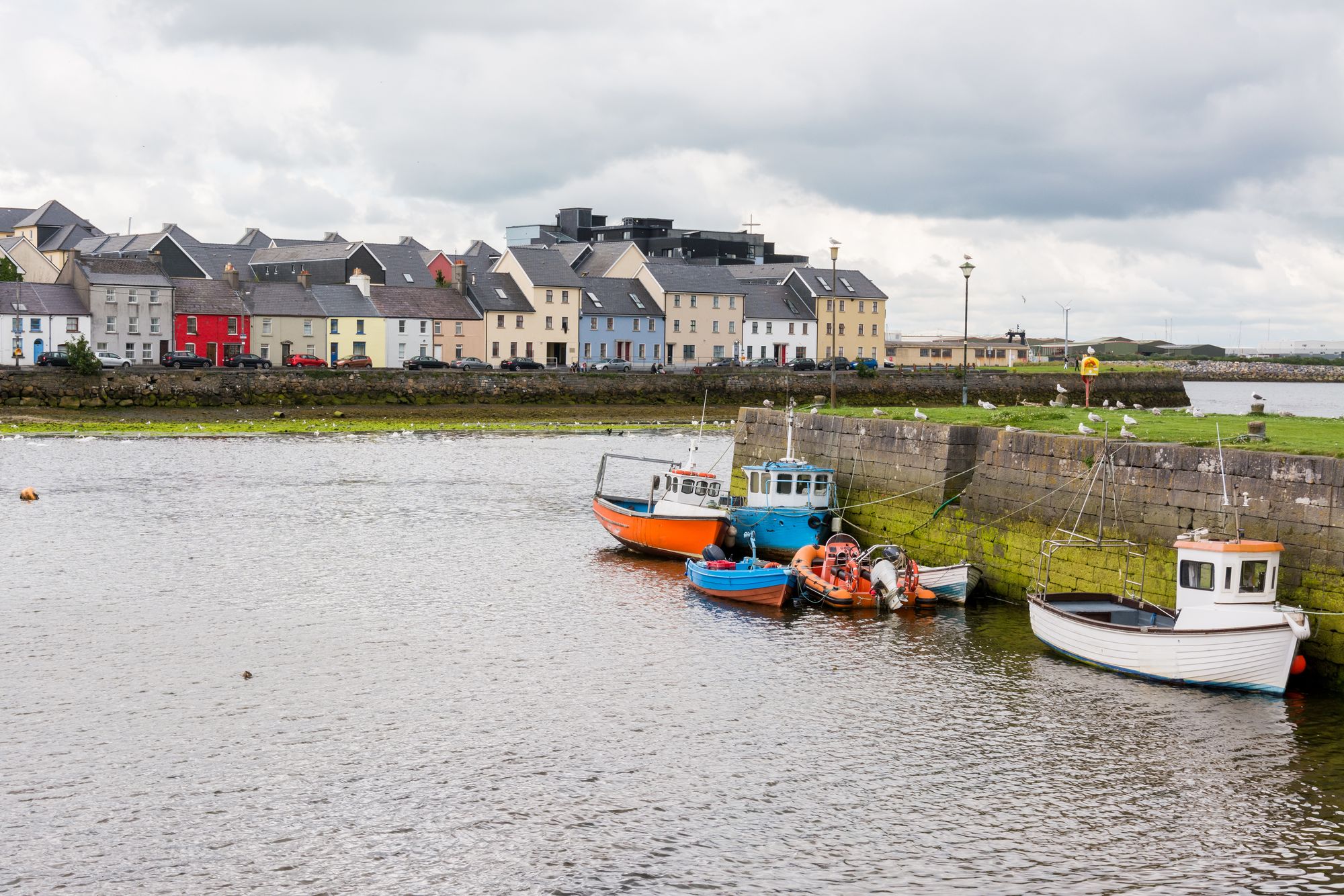
Galway is Connacht's largest city, defined by the Corrib River, the historic Claddagh, and its role as the 2020 European Capital of Culture.
Galway, County galway — photo by luckystudio
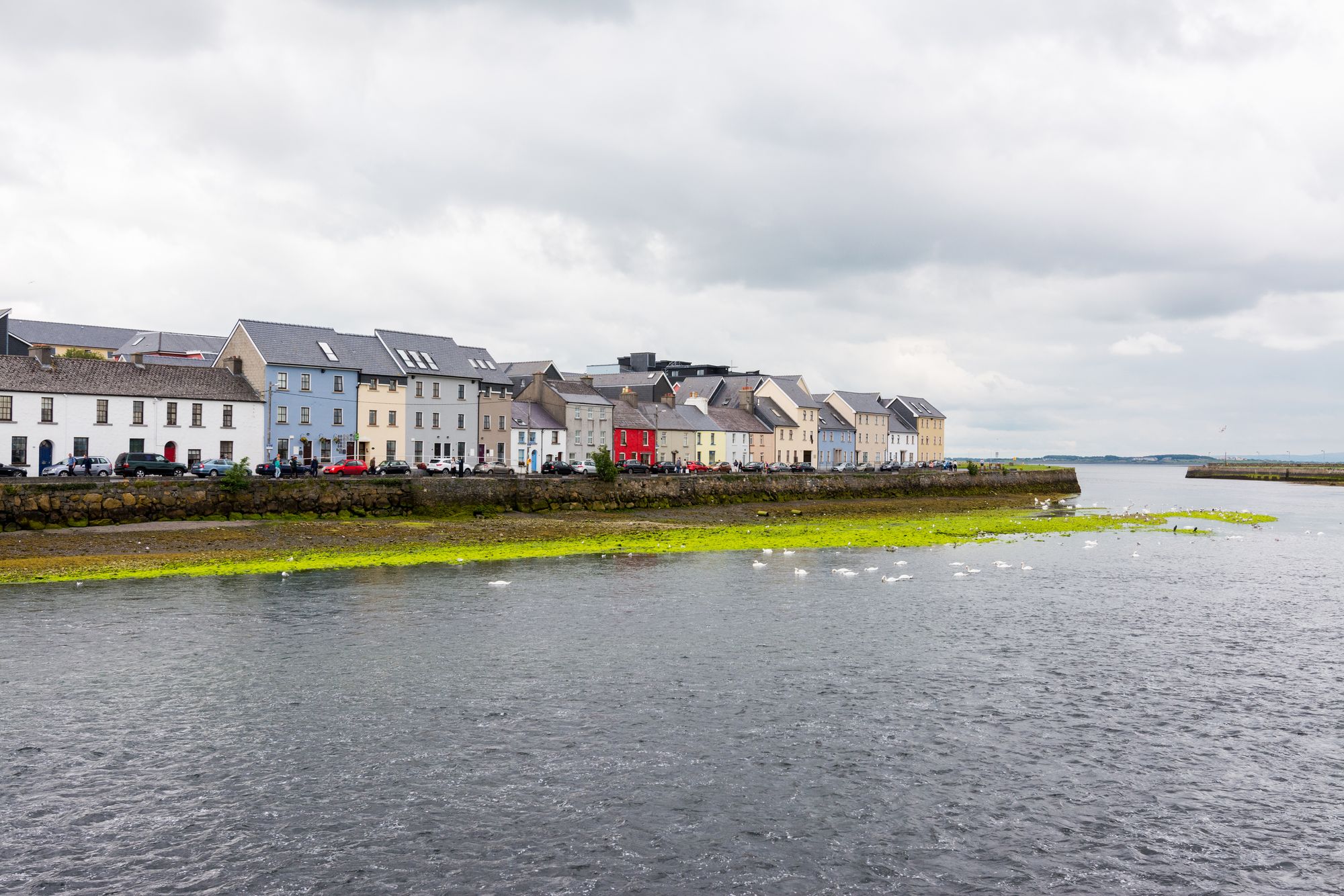
Galway, or Gaillimh in Irish, serves as the county town for County Galway. The River Corrib cuts through the middle, linking Lough Corrib to Galway Bay. It holds the title of the most populous settlement in Connacht.
Nationally, it ranks as the fifth most populous city on the island and the fourth in the Republic. The 2022 census recorded a population of 85,910. The geography defines the layout. The river runs from the lough to the sea. Most visitors start with a walk from the waterfront to the old town.
The name traces back to the river Gaillimh. This waterway formed the western edge of the earliest settlement, Dún Gaillimh, or "Fort Gaillimh". Tairrdelbach Ua Conchobair completed the fort in 1124. He was King of Connacht and High King of Ireland.
The structure functioned as a naval base for his fleet. A new community grew up around the walls. In the 1230s, during the Norman invasion of Connacht, Richard Mor de Burgh captured the site. He led the invasion. Over time, the de Burghs became Gaelicised. Local merchants eventually took control of the town.
Galway is often called the "City of the Tribes", or Cathair na dTreabh. This nickname references the fourteen merchant families known as the Tribes of Galway. They led the city during its Hiberno-Norman period.
In 1484, a municipal charter allowed citizens of the walled city to form a council and mayoralty. The Tribes pushed for and secured complete control. The city expanded into a trading port on the bay.
After a period of decline, Galway has become a major tourist destination. It is known for festivals and events, including the Galway International Arts Festival. In 2018, the city was named the European Region of Gastronomy.
In 2020, it served as the European Capital of Culture, alongside Rijeka in Croatia. Two spots define the city's shape today. The Claddagh is the old fishing quarter on the east bank of the Corrib. The Spanish Arch sits at the head of the river. The bay beyond them acts as the front door to the Atlantic.
Galway acts as the hub for the west. The N59 runs from the city to Westport and Connemara. A coast road heads south toward the Clare coast.
The waterfront, Claddagh, and old town are close together. You can walk between them easily. Ferries to the islands depart from the quayside. Check current schedules and prices before travelling.
Waar logeren
The quayside, the Claddagh and the bay ferries are all a walk away — the city is the hub of the whole west.
Bekijk de actuele beschikbaarheid voor je data. Beschikbaarheid en prijzen komen van de aanbieder, niet van ons.
Kylemore Abbey in Connemara is a working Benedictine monastery and former castle on the N59. It offers ticketed gardens and castle tours, free shore views, and quiet church access near Letterfrack.
Athenry, 25 km east of Galway, preserves its 13th-century layout, town wall, castle, and priory. The medieval town is also famous for the song "The Fields of Athenry."
Built in 1754 on Ballynahinch Lake, this former country house sits beneath Benlettery (557 metres) in County Galway. Once home to "Humanity Dick" and the Maharaja Jam Sahib, it operates today as a hotel within a private estate.
Carna is a Gaeltacht focal point in west Connemara, 74 km from Galway. It holds a Garda station, health centre, lifeboat, and university research facilities.