Dorf · Co. Limerick
Foynes
Foynes is a small Limerick town on the Shannon Estuary that served as a 1930s flying-boat terminal and now operates Ireland’s second-largest port.
Dorf · Co. Limerick
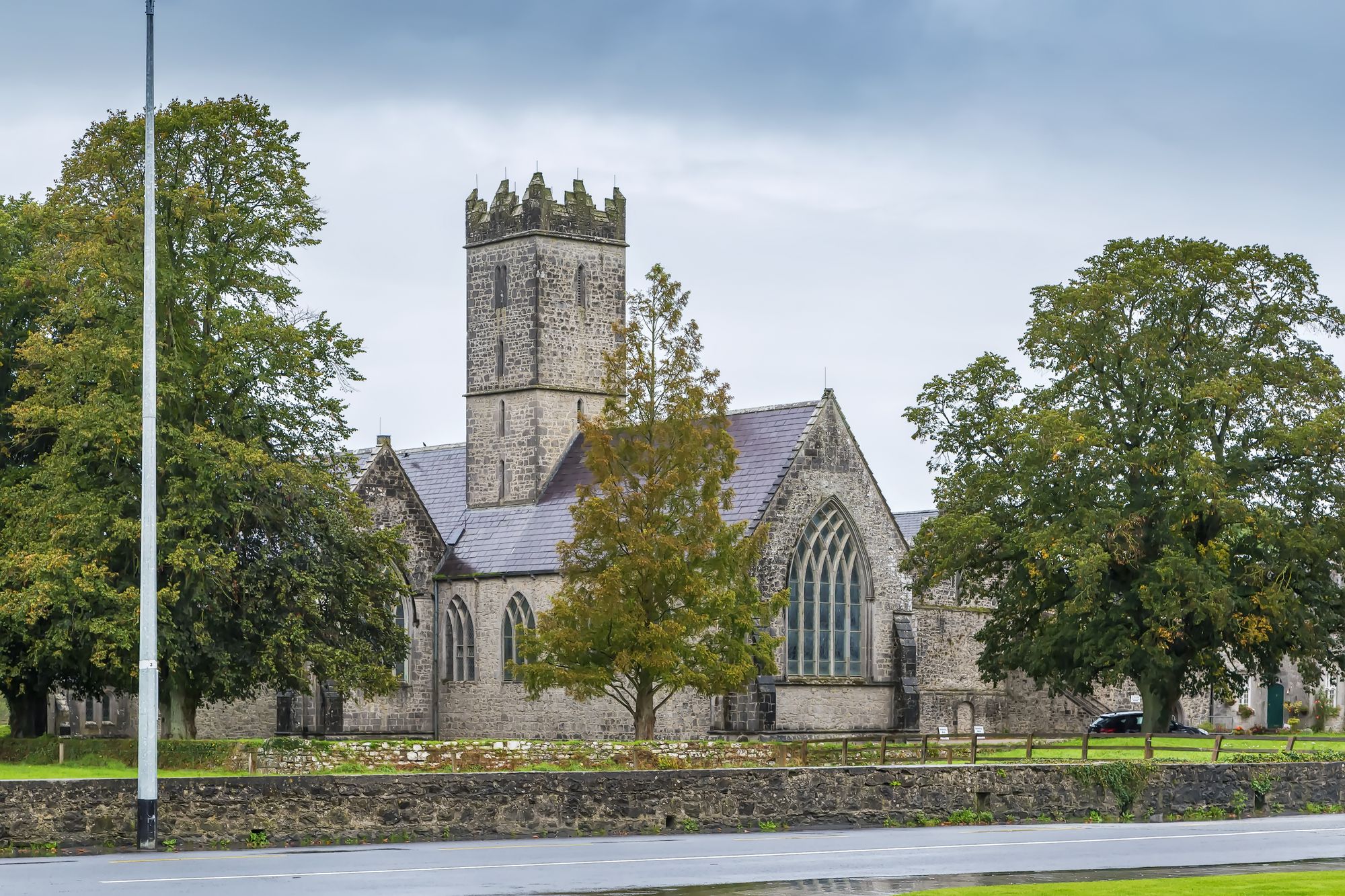
A heritage town on the tidal River Maigue, southwest of Limerick. The village centers on its medieval market, three monasteries, and the Desmond castle overlooking the ford.
Adare, County Limerick — photo by borisb17
Adare (Áth Dara) sits on the eastern bank of the River Maigue. The name translates to “ford of the oak.” It is a designated heritage town in County Limerick, southwest of the city. The river here is tidal, reaching all the way to the village. The landscape is the Golden Vale in its truest form. Rich pastureland rolls down to the water. The village holds the crossing point, just as it has for a thousand years.
The settlement predates the buildings. The Annals of Inisfallen record an early reference: “the tree of Mag Adar was broken by Leth Cuinn.” This points to the country around the ford. The Desmond castle was built near Ardshanbally, the “high ground of the old town,” to watch the crossing. First mentioned in 1226, it stands over the site. Local tradition says it grew from an ancient ringfort of the O’Donovans. They ruled the region until the twelfth century. The FitzGerald branch of Kildare held it afterward and likely built most of the remains seen today. Adare was a medieval market town. It held three monasteries. Walking through the village passes all of it.
The village asks for little. Walk along the Maigue. Visit the castle. See the monastic country. Explore the market town in the middle. The heritage designation keeps the place’s shape: the street, the banks, the buildings. That is the point of coming. Allow a morning, or an afternoon if the light is good on the river.
Adare is a short drive from the city. It sits on the route between Limerick and the estuary villages. Pair it with Limerick city for a full day. Spend the morning in the village. Then head to the city and the Shannon at the head of the estuary in the afternoon.
Übernachten
Stay in the village and the river, the castle and the market are all a walk away.
Aktuelle Verfügbarkeit für Ihre Reisedaten. Verfügbarkeit und Preise stammen vom Anbieter, nicht von uns.
Foynes is a small Limerick town on the Shannon Estuary that served as a 1930s flying-boat terminal and now operates Ireland’s second-largest port.
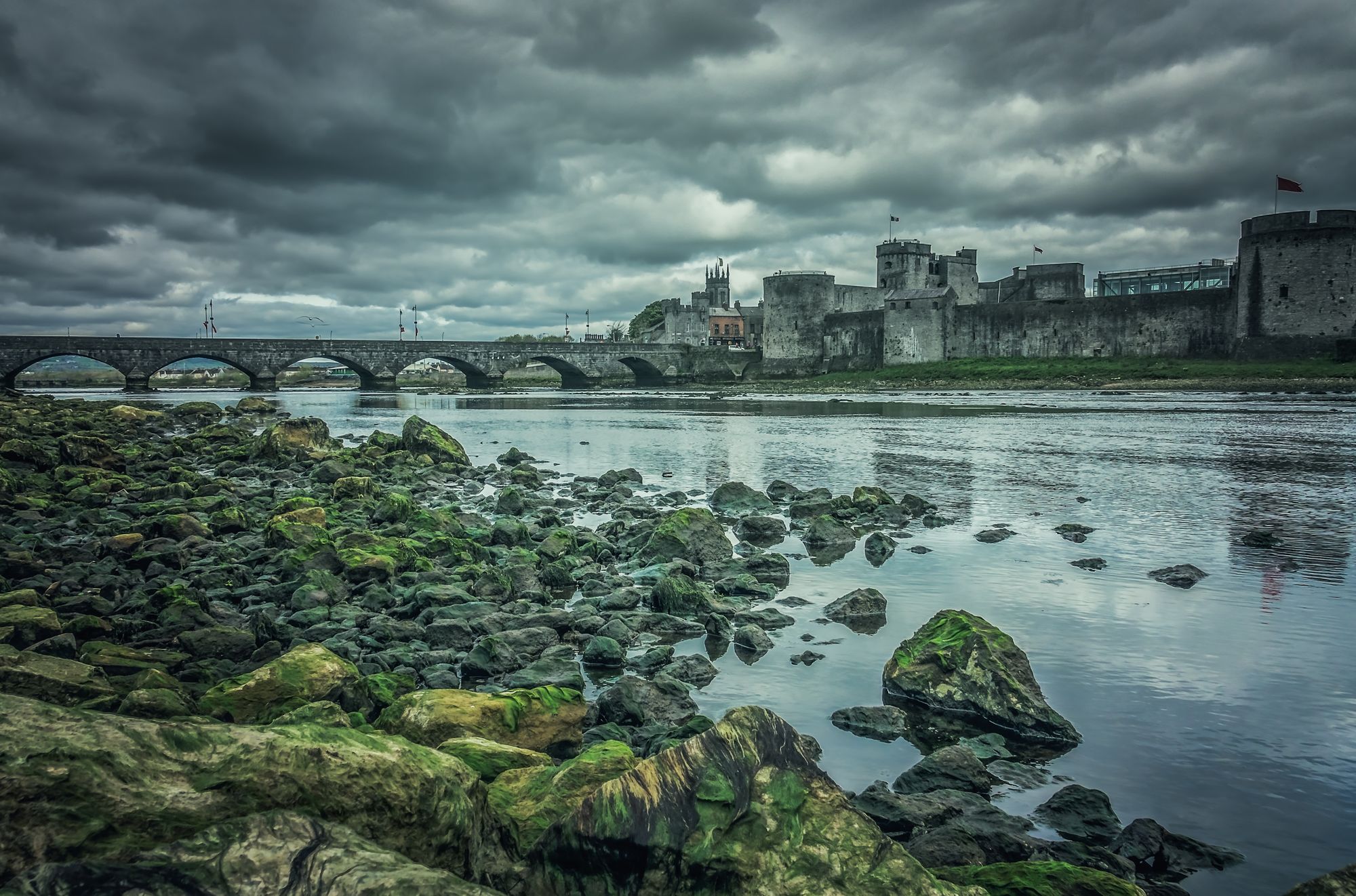
Limerick, founded in 812 by Vikings, is Ireland's third-largest urban area with a population of 102,287. The city straddles the Shannon River on King’s Island, serving as a practical hub for exploring the estuary and Golden Vale.
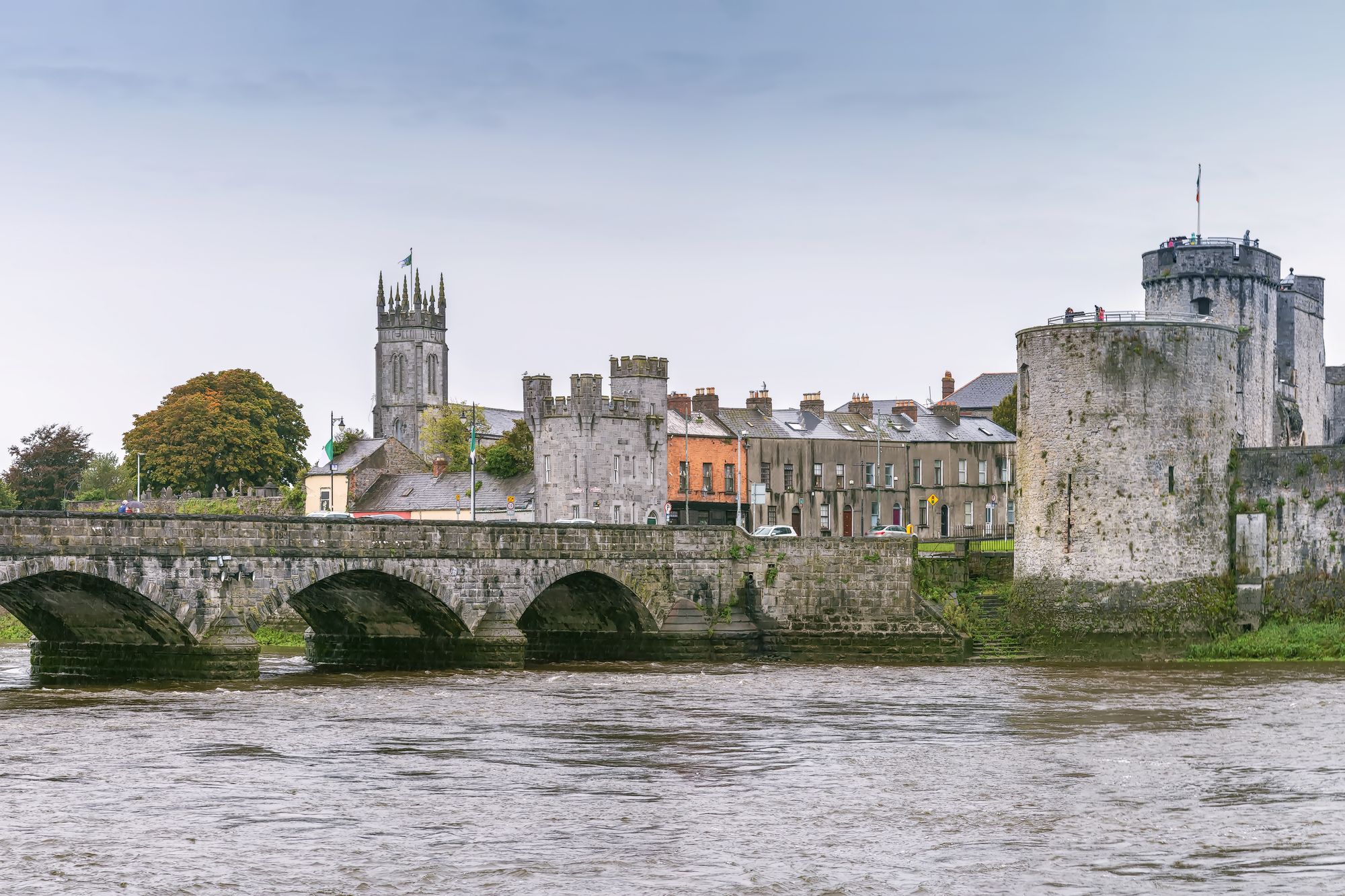
The Shannon is the longest river in the British Isles at 360 km, acting as a physical barrier between western and eastern Ireland. It offers a slow cruising route or a scenic drive, with Limerick marking the transition from river to sea.
The Shannon Estuary spans 102.1 km from Limerick to Loop Head and Kerry Head. Tides reach 5.44 metres, creating a spring-tide bore. Historic aviation terminals at Foynes and Rineanna mark its past as a transatlantic crossing point.