Dorp · Co. Limerick
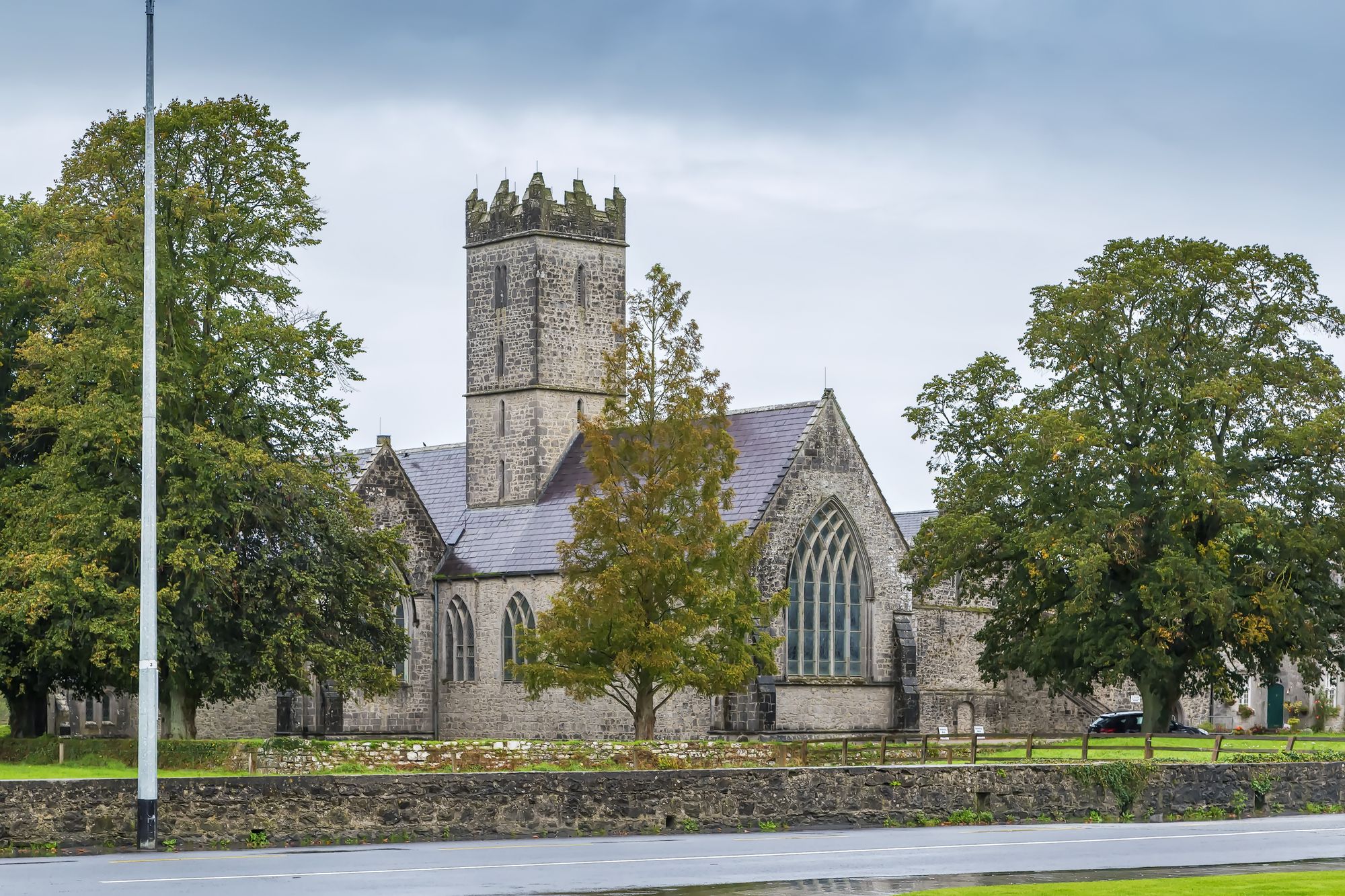
Adare
A heritage town on the tidal River Maigue, southwest of Limerick. The village centers on its medieval market, three monasteries, and the Desmond castle overlooking the ford.
Dorp · Co. Limerick
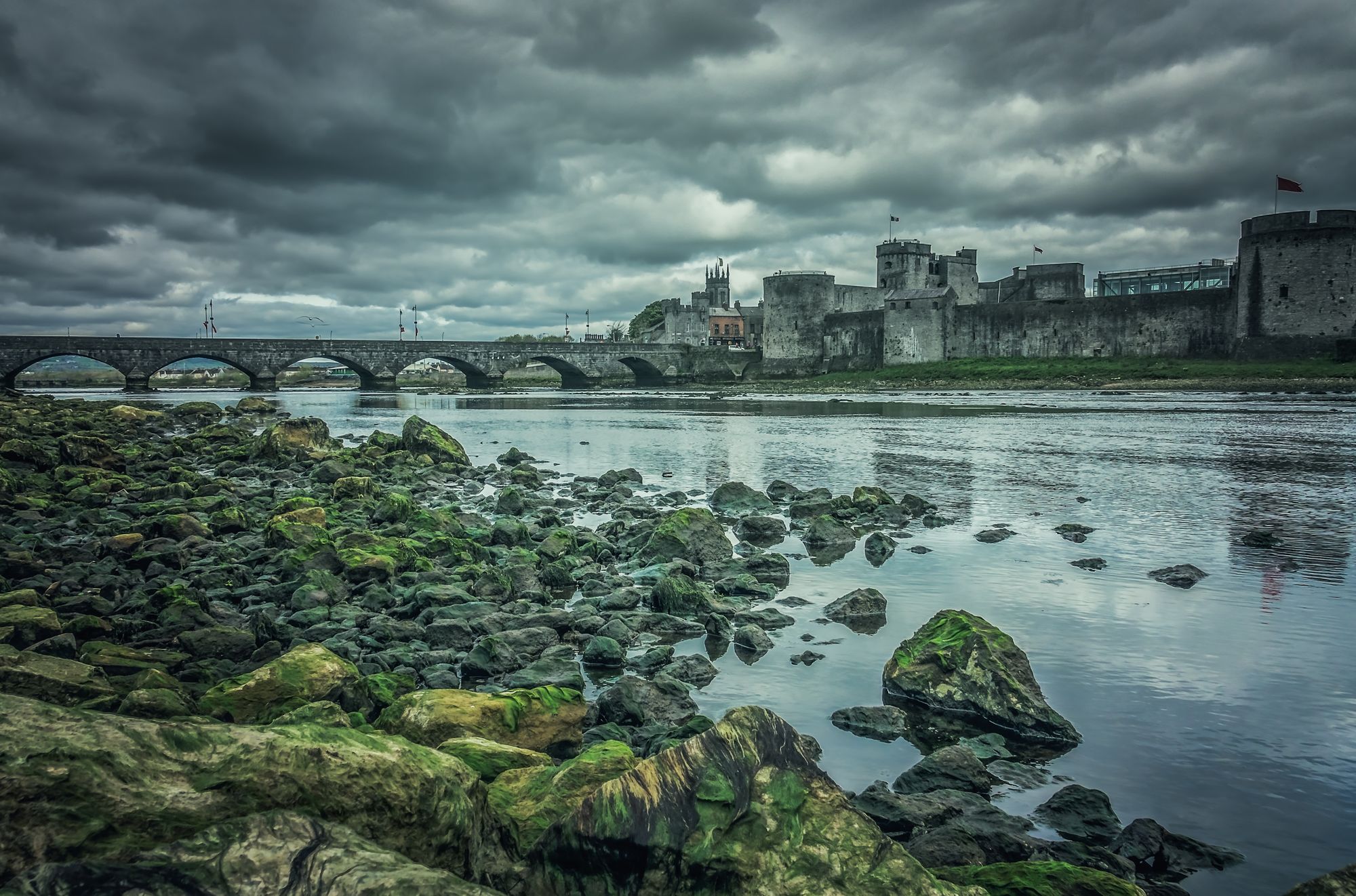
Limerick, founded in 812 by Vikings, is Ireland's third-largest urban area with a population of 102,287. The city straddles the Shannon River on King’s Island, serving as a practical hub for exploring the estuary and Golden Vale.
Limerick, County Limerick — photo by MAhmad
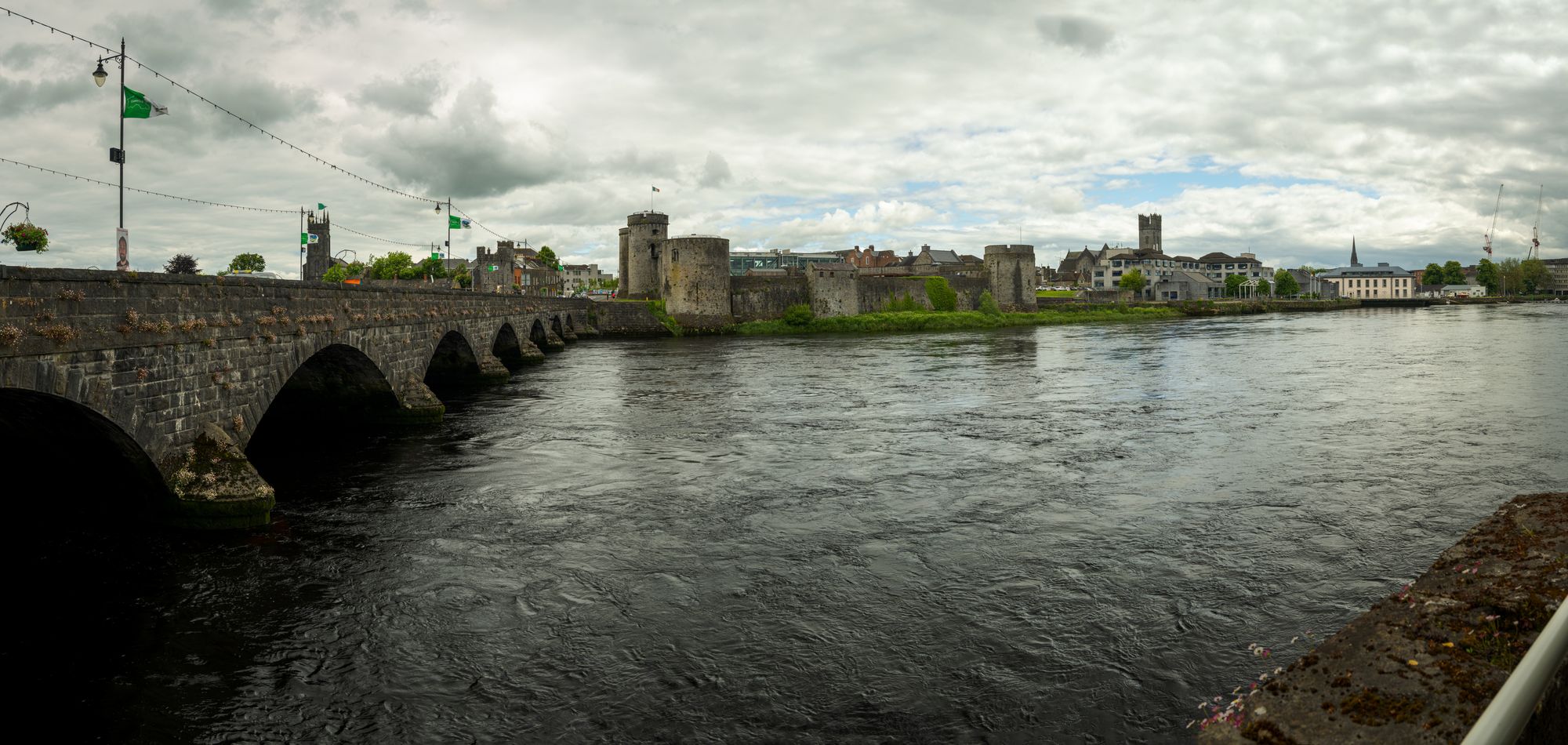
Limerick sits in County Limerick, within the Munster province. The Irish name is Luimneach. At the 2022 census, the population stood at 102,287. This makes it the third-most populous urban area in Ireland. It ranks as the fourth-most populous city on the island.
Scandinavian settlers founded the town in 812. That was during the Viking Age. The date matters because it marks one of the oldest towns on the island. Over a thousand years of continuous settlement have left their mark. The town has simply kept being a town.
The River Shannon splits the city. The historic core rests on King’s Island. The Shannon and the Abbey Rivers bound that island. Limerick sits at the head of the Shannon Estuary. Here, the river widens before meeting the Atlantic Ocean. The docks at this head serve as the city’s front door to the water.
South of the city lies the Golden Vale. This rich pastureland acted as the agricultural hinterland. Much of the local industry was built on that land. Four main crossing points connect the centre. Walking across them is a walk through a thousand years of history.
Limerick works well as a base. You get the streets, the river, the estuary, and the Golden Vale country to the south. Pair the city with Adare for a heritage village visit. Or head to the estuary for water activities. Both options sit within the hour.
The city marks the head of the Shannon. The Shannon is the waterway of the island. A day starting here can cover a long distance.
Use Limerick as the base for the western Shannon circuit. This covers the estuary, the river, the lakes, and the Golden Vale. Allow a day for the city itself. Then use it as the start point for water days.
Waar logeren
Stay in the city and the estuary, the river and the Golden Vale are all inside the day.
Bekijk de actuele beschikbaarheid voor je data. Beschikbaarheid en prijzen komen van de aanbieder, niet van ons.
A heritage town on the tidal River Maigue, southwest of Limerick. The village centers on its medieval market, three monasteries, and the Desmond castle overlooking the ford.
Foynes is a small Limerick town on the Shannon Estuary that served as a 1930s flying-boat terminal and now operates Ireland’s second-largest port.
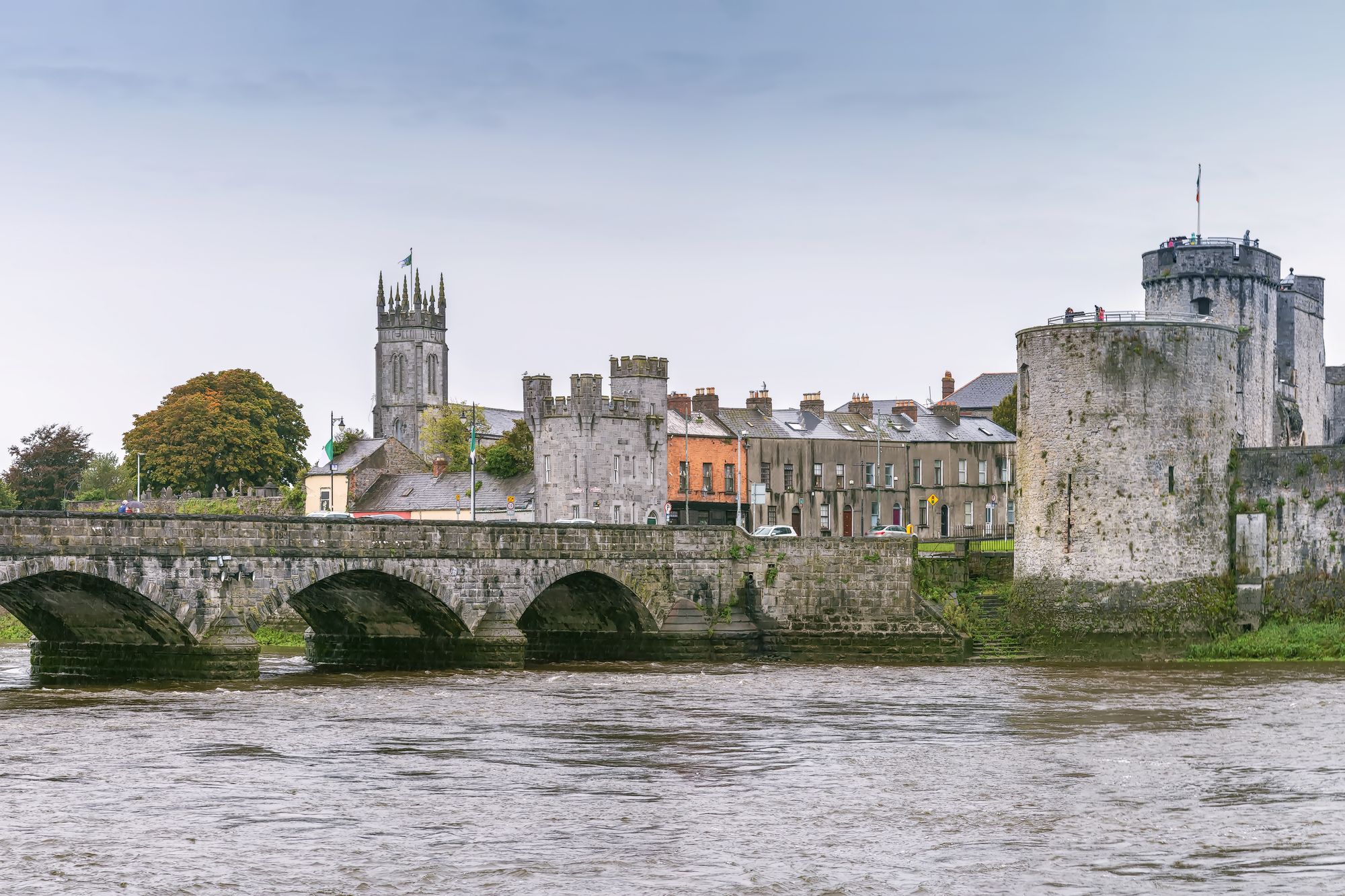
The Shannon is the longest river in the British Isles at 360 km, acting as a physical barrier between western and eastern Ireland. It offers a slow cruising route or a scenic drive, with Limerick marking the transition from river to sea.
The Shannon Estuary spans 102.1 km from Limerick to Loop Head and Kerry Head. Tides reach 5.44 metres, creating a spring-tide bore. Historic aviation terminals at Foynes and Rineanna mark its past as a transatlantic crossing point.